
Blogs
Smart Water Management Can Help UAE’s Water Crisis
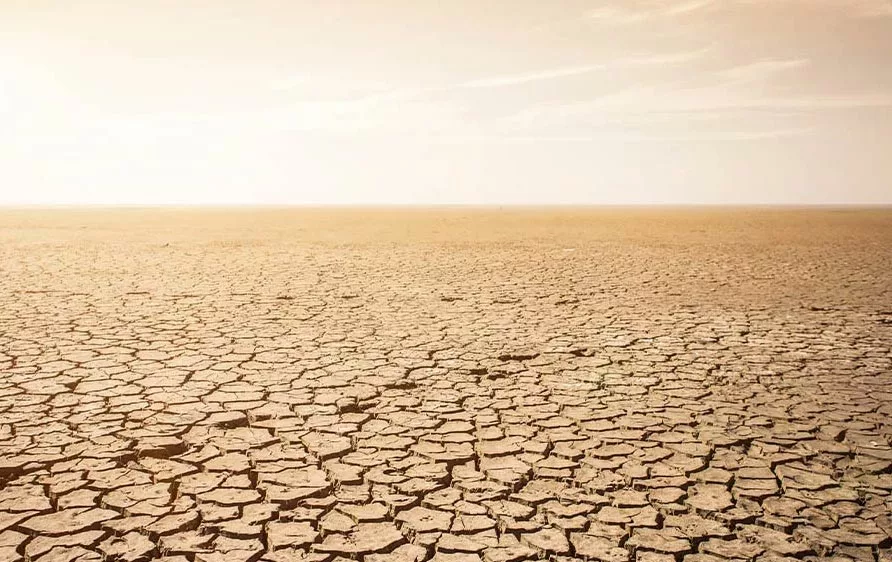
In the Middle East, water scarcity – the lack of sufficient water resources to meet the region’s demands – presents a serious environmental concern that needs to be addressed as a matter of urgency. By exploring the use of smart water management solutions in urban areas, we can provide a sustainable position for the future and help ease the UAE’s water crisis.
The UAE is one of the most water scarce countries in the world but has the highest per capita consumption of water globally. The Emirates are confronted with a serious depletion of available water resources, with the water table having decreased about one meter per year for the last 30 years. At the current rate, the UAE will deplete its natural freshwater resources in just 50 years.
Desalination plants are used regionally to address water shortages. In fact, 70% of the world’s desalination plants are found in the UAE, Saudi Arabia, Kuwait, and Bahrain. But as we all know, desalination comes with significant environmental concerns.
Looking beyond desalination in a water crisis
The good news is there are ways to save water and address water scarcity, which will drastically reduce the impact on our environment, socio-economic developments, and our health.
Firstly, education and awareness are critical factors in solving the UAE’s water crisis. Understanding the changes that need to take place, from government reform down to the individual, are key to allowing us to cope with future water scarcity. The use of reclaimed water, from recycled wastewater to harvesting rainwater, will also be key to easing pressure on our natural resources.
But by far the most important factor is adopting sustainable water management systems. Improving water infrastructure must be a priority, as water conservation and efficiency are key components of sustainable water management. In rural areas, solar desalination and smart irrigation systems both offer less waste, less consumption, and a better management of water quality on a large scale, to preserve our planet’s resources.
Water management on an urban scale
Within our urban landscapes, Smart Water Monitoring and Management Systems, through the use of IoT technology, sensors, big data and AI, allow companies to accurately measure, monitor and control their water distribution and usage.
The Middle East is home to some of the Smartest cities in the world, with buildings designed to be as economical and efficient as possible. Built-in smart systems, AI and IoT mean that systems can talk to one another and share information in real time, allowing building owners to improve efficiencies, save money, and reduce their environmental footprint.
With such Smart technology already in place in many buildings across the region, it seems like an obvious place to begin to address the region’s water scarcity problems.
Taking control of water usage through smart water management
Essentially, smart water management is about taking control of water usage. Using IoT, metering devices allow companies to monitor water consumption patterns remotely, across all areas of their properties. Data on usage is then collected and stored in real-time, providing an advanced analysis.
The device also provides water performance reports and monitors information continuously throughout the day. In the event of an emergency, the app can detect leaks or blockages and automatically shut off water supply to prevent further damage – one of the most effective ways to minimize water bills and conserve precious supplies.
Real time sensors and meters collect data on water flow, with just one water meter needed to monitor an entire building’s supply. If individual meters are used, specific floors, areas or devices can be monitored, and by connecting electric shutoff valves, the system is capable of turning off the supply and preventing unnecessary wastage.
We all need to do our bit to save water
With a rapidly expanding population, a heavy dependance on desalination and a per capita water consumption 82% above the global average, it’s crucial that businesses across the region – both big and small – do their bit to preserve our precious supply and switch to smart water management.
Latest Posts
Elevating Hospital Hygiene and Safety Standards with Data-Driven Cleaning
Within hospitals, patient safety and infection control are non-negotiable.
World Earth Day: Advancing Water Sustainability with Smart Washroom Sensors
April 22 marks Earth Day, a global event dedicated to environmental protection and sustainability.
Why the Smart Washroom market is set for explosive growth in 2025
Smart washroom technologies have revolutionized the public restroom experience.
Revolutionising the passenger experience: How smart washroom technology transforms airport operations
From real-time hygiene monitoring to water conservation, IoT-driven washroomsare transforming passenger experiences and operational efficiency
Smart Washrooms in Airports
Modern airports are busy spaces. With millions of passengers transiting daily, efficiency and cleanliness are more than conveniences – they are necessities.