
Blogs
Smart Washrooms Increase Savings
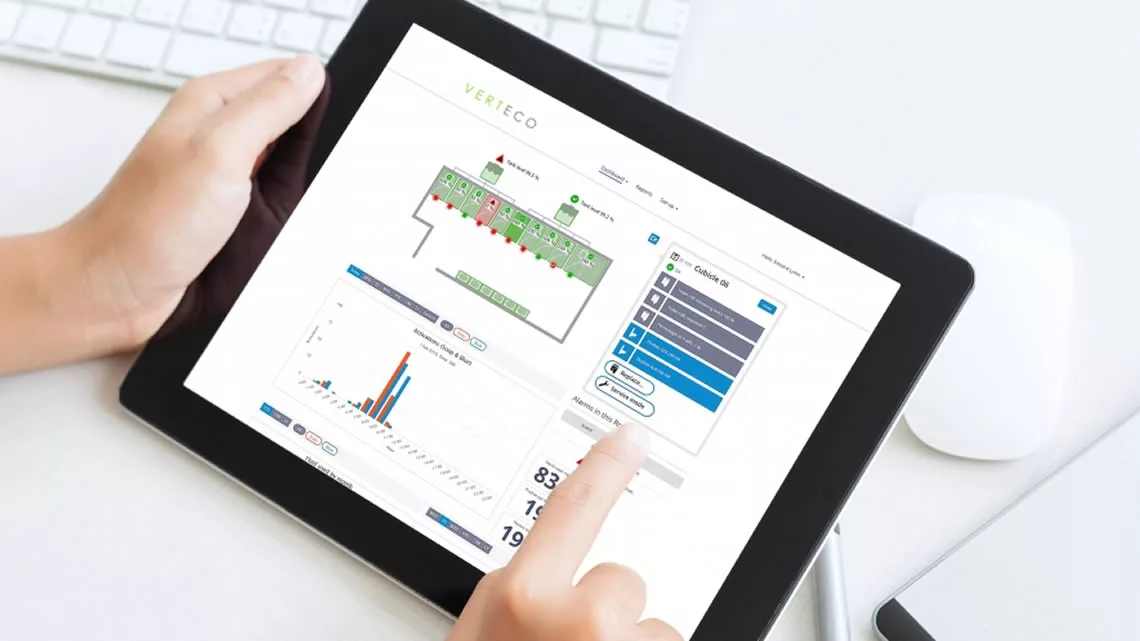
How the implementation of smart, IoT technology can improve washroom experience and operational efficiency
The public washroom is a relatively mundane yet hugely essential part of everyday life. In busy places with a high footfall, such as airports and malls, large numbers of people can be using public restrooms at the same time. As a result, huge investments are made to keep them running efficiently. Consumables need to be topped up, the washrooms must always be clean and maintenance issues sorted as quickly as possible to avoid disruption. This takes a lot of time and money to coordinate and if it isn’t managed effectively, user experience is affected and customer satisfaction decreases.
No one wants a bad washroom experience and issues like a lack of toilet paper, bad smells or dirty sinks really do put people off. In fact, studies have found that when people report a negative washroom visit, the time they spend in an establishment decreases drastically and they are less likely to return in the future.
What is a Smart Washroom?
8 Ways Smart Washroom Solutions increase savings
The potential for cost savings through Smart Washroom technology is huge. Maintenance schedules of cleaning staff can be adapted by monitoring real-time usage data. This means that cleaning patterns can be adapted when necessary and allows more efficient allocation of staff when and where they are needed. The technology also allows alerts to be sent to staff when consumables such as soap and tissue paper are running low, meaning a reduction in the need to check dispensers unnecessarily. By only restocking when necessary, waste is also reduced, offering environmental efficiencies. Technology can also be fitted to washroom equipment; an alert is sent to facilities management staff when an issue is detected, allowing it to be sorted immediately, before a major problem develops, which can extend the life of equipment and reduce the number of major repairs needed.
- Water management – amount of water used can be monitored and leaks detected immediately, increasing life of equipment
- Air quality – Humidity can be monitored, and air temperature set at the most cost-effective temperature
- Usage – Footfall is monitored to allow staff schedules to be managed accordingly
- User happiness – Satisfaction can be assessed, and changes made where necessary
- Consumables – Management of usage levels and replacement alerts, eliminating unnecessary checks
- Wastes bin levels – Alerts sent only when they are full, or an issue reported, reducing unnecessary changes
- Cleaning staff – More efficient management of cleaning schedules
- Taps – Water usage measured and reduced, temperate controlled to reduce infection risk
Post-COVID essentials
Improving Customer experience through IoT
A future that prioritises public safety
As we face the world after a pandemic, it is obvious that many sectors won’t ever return to the way things were before. The ‘new normal’ will look very different for many businesses, and companies like VERTECO, which utilize technology to offer investor savings, while also prioritising public safety, will lead the way.
Latest Posts
Elevating Hospital Hygiene and Safety Standards with Data-Driven Cleaning
Within hospitals, patient safety and infection control are non-negotiable.
World Earth Day: Advancing Water Sustainability with Smart Washroom Sensors
April 22 marks Earth Day, a global event dedicated to environmental protection and sustainability.
Why the Smart Washroom market is set for explosive growth in 2025
Smart washroom technologies have revolutionized the public restroom experience.
Revolutionising the passenger experience: How smart washroom technology transforms airport operations
From real-time hygiene monitoring to water conservation, IoT-driven washroomsare transforming passenger experiences and operational efficiency
Smart Washrooms in Airports
Modern airports are busy spaces. With millions of passengers transiting daily, efficiency and cleanliness are more than conveniences – they are necessities.